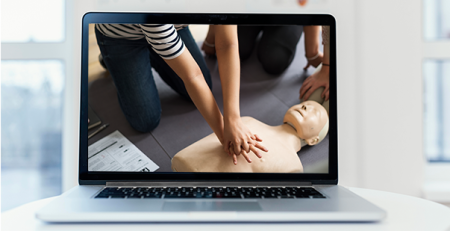



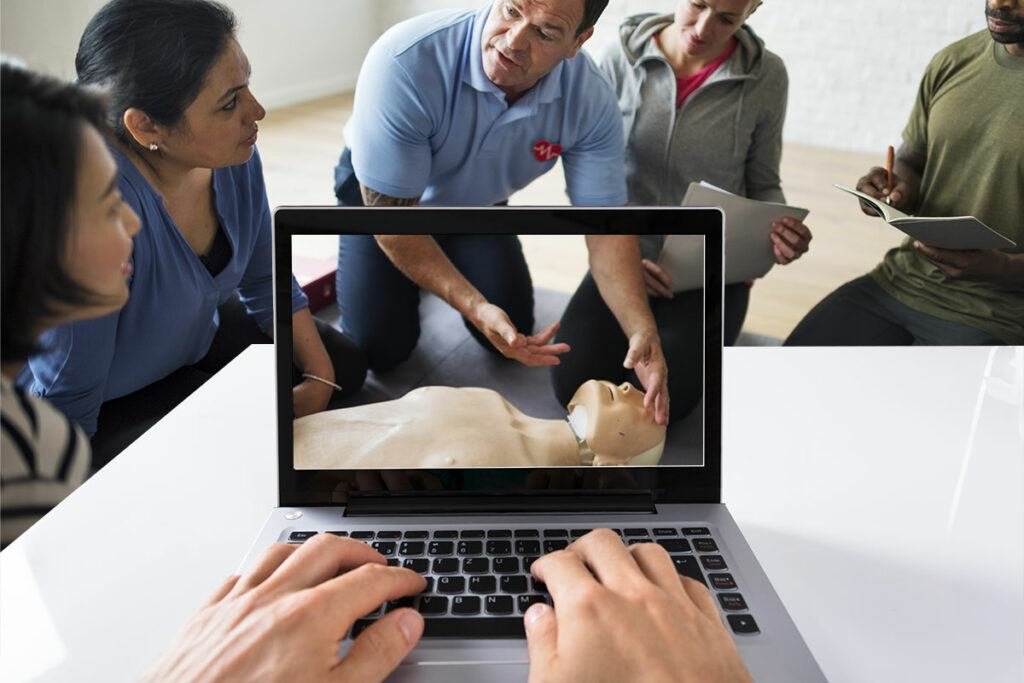
Emergencies rarely give advance notice. They unfold in everyday moments—at home, in workplaces, in gyms, or in classrooms—often catching people off guard. While awareness around safety has improved, the gap between knowing and acting still remains significant. This is one of the key reasons more individuals are turning to an online first aid course canada to build practical, ready-to-use skills without disrupting their routines.
Across Canada, the expectations around safety preparedness are evolving. It’s no longer limited to healthcare professionals or emergency responders. Teachers, fitness trainers, childcare providers, and even parents are increasingly expected to respond effectively during critical situations. The question is no longer who needs first aid training, but rather who doesn’t.
Despite this growing need, traditional training models have struggled to keep up with modern lifestyles. Fixed schedules, physical attendance requirements, and time-intensive sessions often discourage participation. As a result, many individuals delay or completely avoid certification—not due to lack of interest, but due to lack of accessibility.
This is where digital transformation is reshaping the learning landscape.
Online first aid education introduces a shift from obligation to opportunity. Instead of viewing training as something that requires significant planning, individuals can now approach it as a flexible, self-directed process. This change is subtle but powerful. It allows learners to engage with the material when they are most focused, revisit concepts when needed, and progress at a pace that suits their lifestyle.
More importantly, this format aligns better with how people retain critical information.
In high-pressure situations, theoretical knowledge alone is not enough. What truly matters is the ability to recall and apply that knowledge instantly. Online courses are designed with this in mind. Through scenario-based modules, visual demonstrations, and interactive assessments, learners are exposed to realistic situations that mirror real-life emergencies. This repeated exposure builds familiarity, reducing hesitation when action is required.
Another important dimension is confidence. Many people hesitate to step in during emergencies, not because they don’t care, but because they are unsure of their abilities. Structured online learning helps bridge this confidence gap. By reinforcing key concepts and allowing learners to test their understanding, it transforms uncertainty into readiness.
This transformation is particularly valuable across diverse professional environments.
In childcare and education settings, quick response times can prevent minor incidents from escalating. In fitness and wellness spaces, trainers often serve as first responders during physical distress. Even in corporate environments, having trained individuals on-site contributes to a safer and more resilient workplace culture.
At a broader level, increased access to first aid education contributes to stronger communities. When more individuals are equipped with life-saving skills, the collective response to emergencies becomes faster and more effective. This shared preparedness creates an environment where safety is not dependent on a few trained individuals, but supported by many.
However, accessibility alone does not guarantee effectiveness. The quality of training remains a critical factor. Learners must choose programs that are aligned with recognized standards, regularly updated, and designed with practical application in mind. A well-structured course does more than provide certification—it builds competence that can be relied upon in real situations.
There is also a growing recognition that first aid training should not be a one-time activity. Skills can fade over time if not reinforced. Online platforms make it easier for individuals to revisit content, refresh their knowledge, and stay aligned with current best practices. This continuous learning approach ensures that preparedness is not temporary, but ongoing.
As Canada continues to prioritize health and safety across industries, the role of accessible training solutions will only become more significant. The shift toward online education reflects a broader understanding: that preparedness should be adaptable, inclusive, and integrated into everyday life.
Ultimately, the goal of first aid training is not just to inform, but to empower. It equips individuals with the ability to act decisively when it matters most. And in those critical moments, the presence of a trained individual can make a measurable difference.
For those looking to take a practical step toward readiness, Simple CPR offers professionally developed training programs designed to make first aid education both accessible and effective.