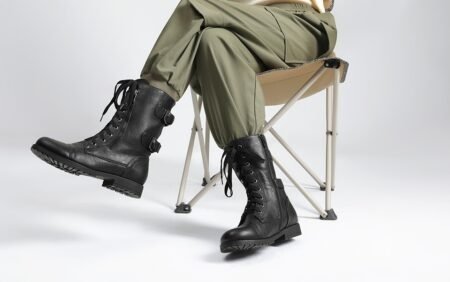





Breaking in a fresh pair of leather boots can be exciting, but a tight toe box can quickly turn that excitement into discomfort. The toe box is the area where your toes sit, and if it’s too snug, it can lead to pressure points, digging, and pain during long wear. That’s why knowing how to stretch leather boots toe box the right way is essential not just for comfort but for foot health.
In this comprehensive step‑by‑step guide, we’ll walk through the most effective methods for stretching your leather boots’ toe box — from at‑home techniques to professional options — so you can enjoy both style and comfort without compromising fit.
Why Toe Box Stretching Matters
A well‑fitting boot should provide enough space for your toes to wiggle naturally while still supporting your foot. When the toe box is too tight, you may experience:
- Pain or discomfort during extended wear
- Blisters or soreness on toes
- Numbness or tingling
- Calluses or corns from friction
Leather, unlike synthetic materials, has the advantage of being pliable with the right techniques. It can stretch to better accommodate your foot’s shape over time, making stretching a practical solution for immediate relief rather than having to return or replace a beloved pair of boots.
How Leather Responds to Stretching
Leather is a natural material composed of fibrous protein structures that become more flexible when exposed to heat, moisture, and pressure. This pliability is what allows leather boots to mold to the shape of your foot.
Most effective stretching techniques use a combination of:
- Heat — to make leather more flexible
- Moisture — to soften fibers
- Pressure — to reshape the fit
When executed properly, the process expands the toe box gently without damaging the leather’s structure.
Method 1: Heat and Wear Technique
One of the simplest ways to stretch the toe box is by harnessing heat to soften the leather:
- Wear thick socks to protect your skin and add bulk.
- Put on your boots, making sure they’re snug but not painfully tight.
- Use a hairdryer on medium heat focused on the toe box area.
- Keep the heat on for 30–60 seconds while flexing your toes slightly.
- Walk around as the leather cools and molds to your foot.
Repeat this method several times as needed. The heat helps the leather soften and relax around your toes, creating gradual expansion.
Method 2: Freeze and Stretch With Water
This method uses the expansion of freezing water to gently stretch the toe box:
- Fill resealable plastic bags about ¾ full with water.
- Insert the water‑filled bags into the toe area of the boots.
- Place the boots upright in the freezer.
- Allow the water to freeze completely — as it freezes, it will expand and gently stretch the leather.
Once frozen, let the ice thaw slightly before removing the bags and trying on the boots. This method is especially effective for stubborn tightness but should be done carefully to avoid overexpansion.
Method 3: Boot Stretch Spray and Stretchers
For targeted stretching with minimal effort:
- Apply a leather stretch spray directly in and around the toe box.
- Insert a boot stretcher or toe‑specific stretcher.
- Adjust the device gradually over time — avoid rapid expansion to prevent stress on the leather.
- Leave the stretcher in place for a few hours or overnight.
Boot stretchers are excellent for precision stretching, and when paired with a quality spray, they provide consistent results without needing to wear the boots during stretching.
Method 4: Professional Stretching
If your boots are particularly precious, expensive, or delicate, professional stretching may be the best option. Shoe repair shops have industrial stretchers and heating equipment that:
- Stretch without weakening seams
- Target specific pressure points
- Preserve leather integrity
Professional services are ideal for high‑end boots made from full‑grain or exotic leathers where avoiding damage is a priority.
Tips for Safe and Effective Stretching
To ensure the best results without damaging your boots:
Start Slow
Stretch a little at a time. Overstretching can lead to permanent damage or misshapen leather.
Prioritize Comfort Over Size
A good stretch should relieve pressure — not make the boot too loose or sloppy.
Moisturize Leather After Stretching
Leather conditioners help restore oils and maintain suppleness after heat or moisture exposure.
Avoid Excess Water
Too much water can warp leather or weaken the structure, so use moisture‑based methods sparingly.
Caring for Leather After Stretching
Once you’ve successfully stretched your boot’s toe box, protection and care help maintain the improved fit:
- Condition leather regularly to keep fibers supple and prevent cracking.
- Use cedar shoe trees to retain shape when not wearing.
- Avoid prolonged exposure to moisture and heat which can dry out leather over time.
Proper care ensures your boots stay comfortable and last longer.
Common Stretching Mistakes to Avoid
While stretching leather boots is generally safe, there are some common missteps that can compromise results:
- Skipping conditioning: Heat or moisture without follow‑up conditioning can dry out leather.
- Using excessive force: Aggressive stretching can weaken seams or distort shape.
- Ignoring professional help: Some boots benefit more from expert care than DIY methods.
Taking a thoughtful, deliberate approach ensures a comfortable fit without unnecessary risk.
Conclusion
Learning how to stretch leather boots toe box properly can transform a pair of stylish but uncomfortable boots into shoes you can wear all day without pain. Whether you use heat, freezing techniques, boot stretchers, or professional stretching services, there are effective options for every need and budget. Combined with regular leather care and conditioning, these methods empower you to enjoy your boots to the fullest — with comfort that matches their craftsmanship.
For dependable leather boots, accessories, and expert advice on fit and comfort, explore the full range of quality products and resources from Boots Plus More — where style meets practical performance.
Visit Boots Plus More to discover boots that combine fashion, durability, and that perfectly broken‑in feel you’re looking for.