




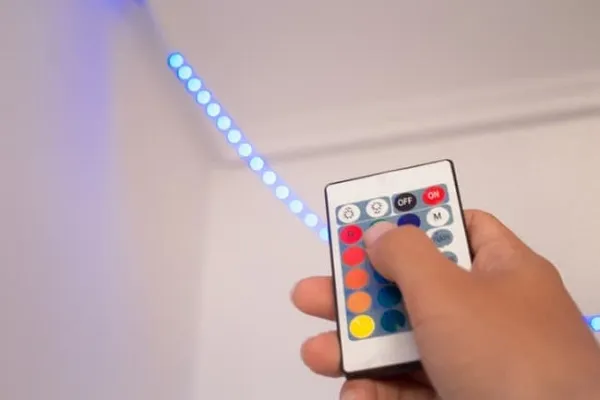
LED lights have become one of the most popular lighting solutions for homes, offices, and commercial spaces because they are energy-efficient, long-lasting, and available in many styles. From LED strip lights and smart bulbs to recessed fixtures and decorative lighting systems, LEDs are widely used in modern interiors. However, like many electronic devices, LED lights can occasionally experience issues that require a reset.
Common problems may include:
- Flickering lights
- Color synchronization problems
- Connectivity issues
- Unresponsive smart controls
- Flashing patterns
- Brightness malfunctions
In many situations, resetting the LED lights can solve these problems quickly without needing professional repairs or replacement parts.
For beginners, resetting LED lights may sound complicated, but most systems can be reset with a few simple steps. The process depends on the type of LED lighting being used, including whether the lights are standard LED strips, smart bulbs, remote-controlled systems, or app-connected lighting.
This guide explains how to reset LED lights step by step while covering common troubleshooting tips and best practices for restoring normal lighting performance.
Why LED Lights Sometimes Need a Reset
LED lighting systems contain electronic components that control:
- Power flow
- Brightness
- Color settings
- Smart connectivity
- Remote functions
Occasionally, these systems may encounter temporary glitches caused by:
- Power interruptions
- Incorrect settings
- Software issues
- Connectivity problems
- Overloaded circuits
Resetting the lights often restores the default settings and clears minor system errors.
Signs Your LED Lights May Need Resetting
Several symptoms may indicate that your LED lights require a reset.
Common signs include:
- Lights not turning on properly
- Flickering or flashing
- Incorrect colors displaying
- Remote control not responding
- Smart app connectivity failure
- Lights freezing on one setting
- Dimming problems
If basic troubleshooting does not fix the issue, performing a reset is often the next step.
Safety Tips Before Resetting LED Lights
Before handling any lighting system, safety should always come first.
Important precautions include:
- Turn off power before touching wiring
- Keep hands dry
- Avoid damaged electrical connections
- Follow manufacturer instructions
If wiring issues or electrical burning smells are present, professional assistance may be necessary.
How to Reset Standard LED Strip Lights
LED strip lights are among the most common lighting systems that occasionally require resetting.
Step 1: Turn Off the Power
Switch off the LED strip lights completely using:
- The wall switch
- Remote control
- Power adapter
Wait approximately 10 to 15 seconds before continuing.
Step 2: Disconnect the Power Supply
Unplug the LED strip from the power source if possible.
This allows the internal system to fully power down.
Step 3: Reconnect the Power
Plug the lights back into the power supply securely.
Ensure all connectors are properly attached.
Step 4: Turn the Lights Back On
Switch the lights back on and check whether the issue has been resolved.
Many minor LED strip problems clear automatically after a basic power reset.
How to Reset Smart LED Bulbs
Smart LED bulbs often connect through:
- Wi-Fi
- Bluetooth
- Smart home systems
These bulbs may require a factory reset if app connectivity fails.
Common Smart Bulb Reset Method
Many smart bulbs use a repeated power cycle reset process.
A typical sequence may include:
- Turn the bulb on for a few seconds
- Turn it off
- Repeat several times
The bulb may flash or blink to indicate the reset was successful.
Because reset patterns vary by manufacturer, checking the product instructions is helpful.
Resetting LED Lights with a Remote Control
Remote-controlled LED systems sometimes lose synchronization.
To Reset Remote Pairing
- Turn off the LED lights
- Remove batteries from the remote briefly
- Restore power to the lights
- Reinsert batteries
- Hold the pairing or power button
This process may reconnect the remote to the lighting system.
How to Reset LED Lights Connected to Apps
App-controlled LED systems may occasionally disconnect from smart home platforms.
Basic App Reset Process
- Turn off the lights
- Restart the mobile app
- Disconnect the device within the app
- Reset the LED light hardware
- Re-add the device through setup mode
Stable Wi-Fi connectivity is important during this process.
Resetting Color-Changing LED Lights
RGB LED systems may display incorrect colors due to synchronization issues.
A reset often restores proper color calibration.
Common RGB Reset Method
- Power off the lights
- Wait several seconds
- Turn them on again
- Hold the controller reset button if available
Some systems may flash multiple colors during the reset process.
Troubleshooting LED Lights After Resetting
If problems continue after resetting, additional troubleshooting may be needed.
Check Power Connections
Loose power adapters or damaged cables may interrupt LED performance.
Inspect:
- Power supplies
- Connectors
- Extension cables
- Adapters
Secure connections improve system stability.
Inspect the LED Controller
Many LED strip systems include a controller box.
A faulty controller may cause:
- Flickering
- Color issues
- Remote problems
Replacing the controller may resolve persistent issues.
Test the Power Supply
Insufficient power can affect LED performance.
Signs of power supply problems include:
- Dim lighting
- Flashing
- Partial illumination
Using the correct voltage and wattage is essential.
Check Wi-Fi Stability for Smart LEDs
Smart LED systems depend heavily on reliable internet connections.
Weak Wi-Fi signals may cause:
- App disconnection
- Delayed response
- Pairing failures
Improving router placement may help restore performance.
Common Mistakes to Avoid When Resetting LED Lights
Some mistakes can interfere with successful resets.
Avoid:
- Rapidly unplugging cables repeatedly
- Using incompatible power supplies
- Ignoring manufacturer instructions
- Forcing damaged connectors
Careful handling helps protect the lighting system.
Why LED Lights Occasionally Glitch
LED systems rely on electronic circuitry that can temporarily malfunction due to:
- Voltage fluctuations
- Software bugs
- Overheating
- Signal interference
Most minor issues can be corrected through simple resets or reconnections.
Benefits of Resetting LED Lights
Resetting LED lights can help:
- Restore normal performance
- Reconnect smart controls
- Fix color synchronization
- Improve responsiveness
- Resolve temporary glitches
It is often the fastest troubleshooting method before replacing components.
When Professional Help May Be Needed
While many LED problems are simple to fix, professional assistance may be necessary if:
- Wiring appears damaged
- Lights continue flickering after reset
- Burning smells occur
- Electrical breakers trip repeatedly
Licensed electricians can safely diagnose deeper electrical issues.
Maintaining LED Lights for Better Performance
Regular maintenance can help reduce future problems.
Helpful practices include:
- Keeping connectors clean
- Avoiding overloaded circuits
- Using compatible accessories
- Preventing moisture exposure
Proper installation also improves long-term reliability.
Final Thoughts
Learning how to reset LED lights is a useful skill for homeowners and beginners dealing with common lighting issues. Many problems involving flickering, connectivity, color settings, or remote control functions can often be solved with a simple reset process.
Whether using LED strip lights, smart bulbs, or app-controlled lighting systems, following proper reset procedures can restore normal performance quickly and safely.
With the right troubleshooting approach and regular maintenance, LED lighting systems can continue providing efficient, reliable, and long-lasting illumination throughout the home.