



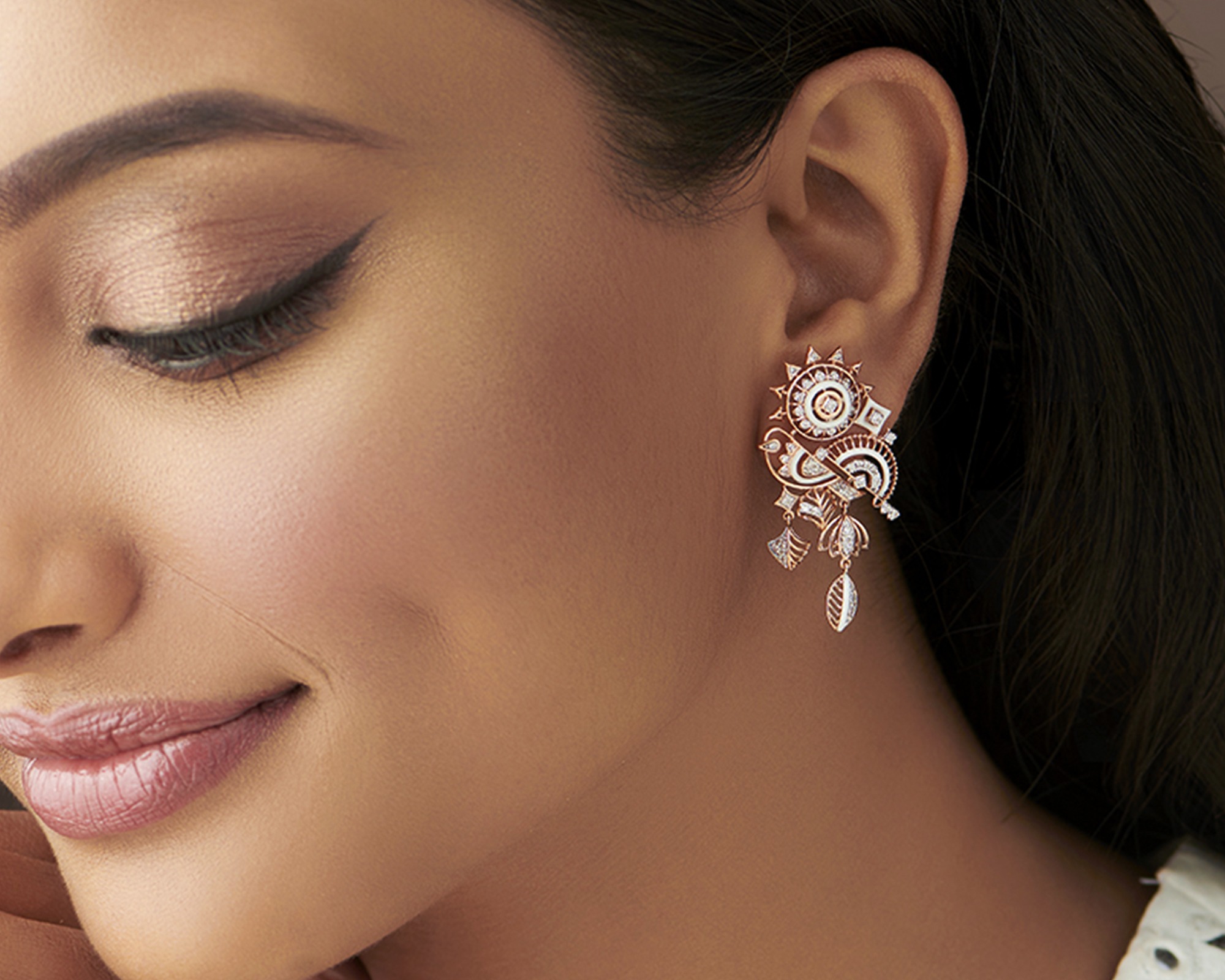
Bridal fashion has come full circle. After years of minimalist styling dominating wedding boards, more brides are reaching back into history for pieces with real character. Nowhere is this shift more visible than in accessories, where antique wedding earrings have moved from niche collector interest to a mainstream bridal staple. Their appeal is easy to understand. Each pair carries decades of craftsmanship, a story, and a level of detail that mass-produced modern jewelry rarely matches.
For brides planning a wedding day look, antique earrings offer something a brand new pair simply cannot: provenance. A piece that has survived a century still sparkling is a quiet testament to the quality of its materials and the skill of the artisans who made it. That history adds emotional weight to a wedding day accessory, turning it into more than decoration. It becomes part of the narrative the bride carries forward.
Choosing the right era matters as much as choosing the right style. Edwardian earrings, typically crafted between 1900 and 1910, tend to feature delicate filigree work in platinum, often set with old European cut diamonds. These pair beautifully with romantic, lace-heavy gowns and soft, low updos that let the intricate metalwork catch the light. Art Deco earrings, popular through the 1920s and 1930s, bring a bolder geometric structure. Their clean lines and symmetrical patterns complement sleek modern silhouettes, making them a favorite for brides who want a vintage accent without an overly ornate feel. Victorian pieces, generally the oldest and most ornate of the three, often incorporate rose cut diamonds, seed pearls, or colored gemstones in yellow gold settings. These suit brides drawn to a more dramatic, storybook aesthetic.
Hairstyle plays a bigger role in earring selection than many brides expect. An updo that leaves the ears fully exposed calls for a statement piece, something with length or a chandelier drop that can be appreciated from across the room. A half up style or soft waves worn down benefits from a smaller, more understated design that peeks through the hair rather than competing with it. Brides should also think about how their earrings interact with their necklace, if they plan to wear one. Antique pieces were often designed as coordinated sets, so pairing an earring with a necklace from the same period, even if not from the exact same set, tends to look more intentional than mixing eras.
Comfort deserves equal attention to style. Antique earrings, particularly those with dangling elements, can be heavier than contemporary jewelry due to the density of older gold alloys and larger gemstone settings. A bride wearing a piece for eight or more hours during a ceremony and reception should try it on well before the big day to confirm the weight and clasp type work for her. Screw backs, common in earlier eras, offer more security than modern friction backs and are worth considering for anyone dancing the night away.
Authentication and condition matter just as much as aesthetics when shopping for a piece meant to last another lifetime. Reputable dealers should be able to speak to the metal purity, the cut and origin of any gemstones, and the general condition of prongs and clasps. Buyers should ask whether a piece has been restored, and if so, what work was done. A well-documented history adds both confidence and long-term value, particularly for collectors who see these purchases as investments rather than one-time wedding expenses.
For brides who want their wedding day jewelry to mean something beyond the photos, antique earrings offer a rare combination of beauty, history, and lasting value. They connect a modern celebration to generations of craftsmanship, while still allowing plenty of room for personal style. Whether the choice lands on Edwardian filigree, Art Deco geometry, or Victorian romance, the right pair becomes a piece a bride can pass down, not just wear once.
Brides and collectors looking to explore a curated selection of authenticated pieces can find a well-documented collection at Gesner Estate Jewelry, where each item comes with the history and craftsmanship details serious buyers expect.
